

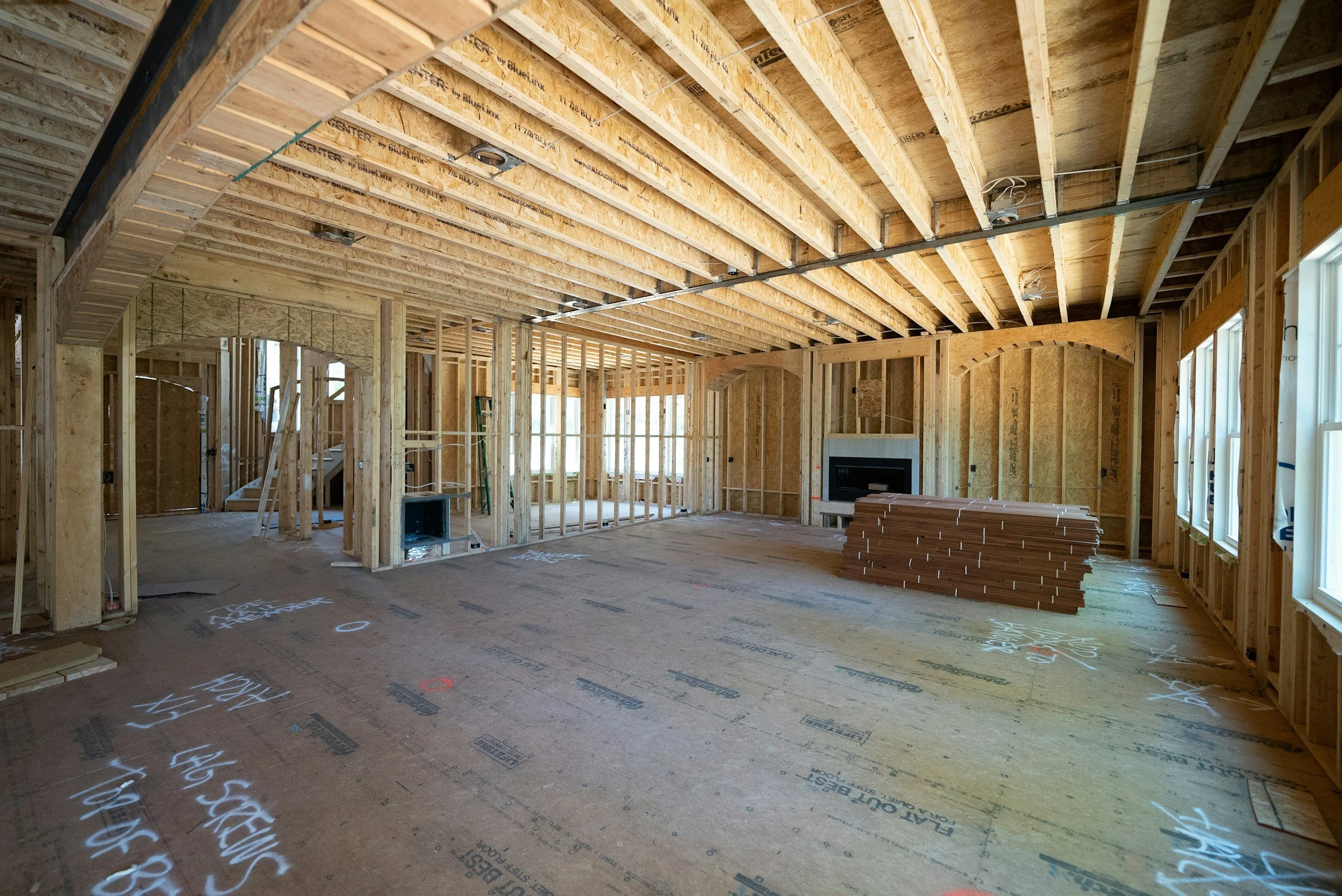
Why Cost Per Square Foot Won't Tell You What Your House Costs
The first number anybody reaches for is a per-square-foot figure. The math works. The number doesn't — and the reason has nothing to do with your house.
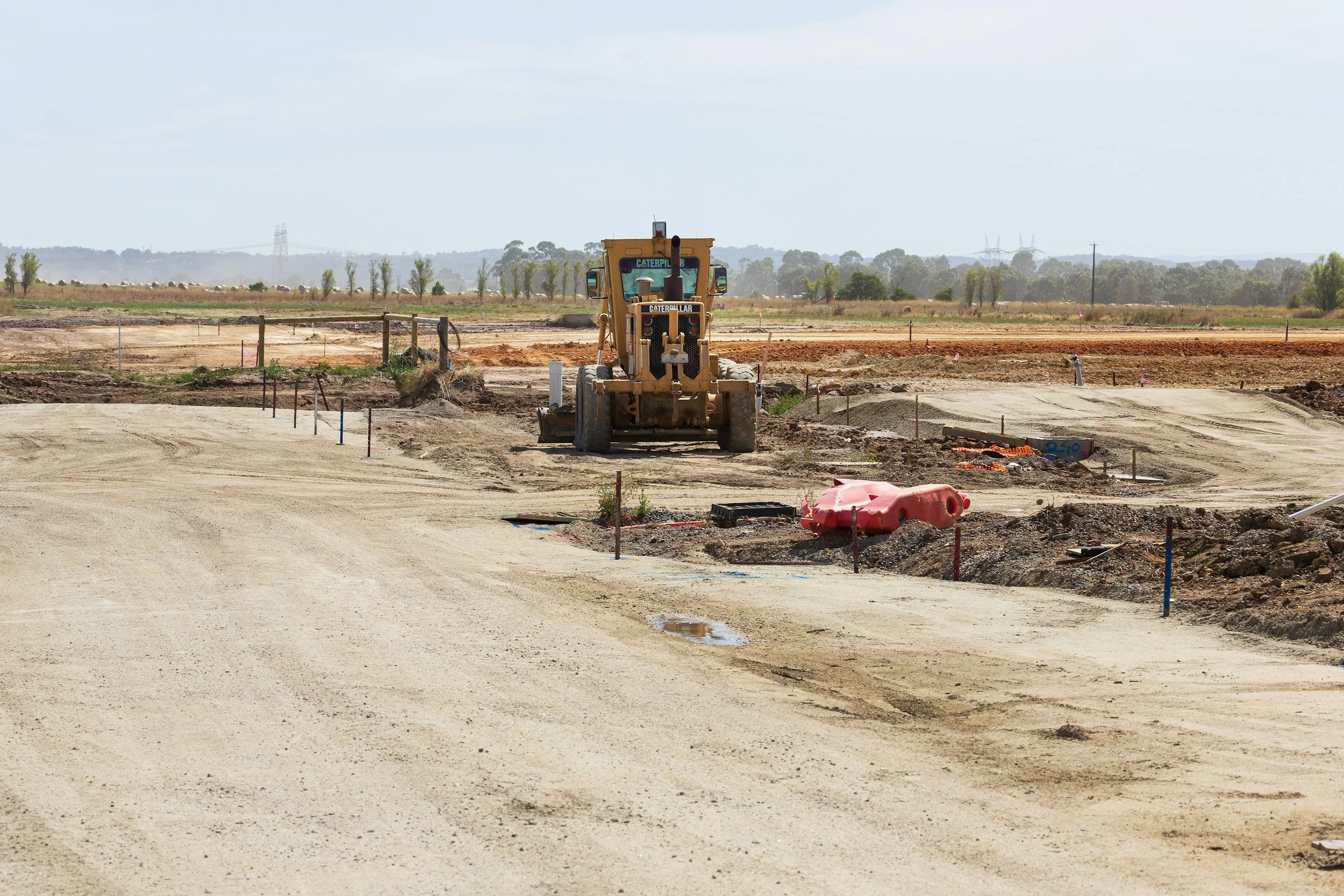
The Costs That Live Outside the House
Clearing, grading, driveway, water, power, septic, permits. None of it is visible in the finished house. All of it comes out of the same money.

Can You Afford the House in Your Head?
Most people take a number they didn't build to an architect and find out four months later that it was never real. There's a step before that one, and it's the last point where every option is still cheap.

The $150k Overhead Mistake: Why Growing GCs Don’t Need a Full-Time Senior PM Yet
Drowning in work but terrified of taking on "salary debt"? Hiring a full-time Senior PM can add $180k+ in permanent annual overhead to your payroll—and it’s a mistake most growing GCs make too soon. Here is why you don’t need a full-time hire yet, and how to get Senior-level execution on your buyouts without the massive financial burden.

The Buyout Trap: How GCs Accidentally Double-Buy Scope (And How to Claw It Back)
There is no worse feeling than realizing your buyout profit is leaking into preventable subcontractor change orders. Standard boilerplate scope letters are built for speed, not defense—and it’s costing you money. Here are the 3 major "trap zones" where GCs accidentally buy the same scope twice, and how to catch the gaps before you sign the contract.

The GMP Trap: What a Guaranteed Maximum Price Contract Doesn't Guarantee
That assumption costs firms real money. Because a guaranteed maximum price guarantees exactly one thing — a maximum the owner won't pay above. It guarantees nothing about whether you make money getting there. The GMP is a ceiling on the owner's exposure. It is not a floor under your margin.

Traditional vs. Progressive Design-Build: Why GCs Are Rethinking Delivery in 2026
A few years ago, most small and mid-sized GCs didn't need to think hard about it. Design-build meant design-build. You took on both design and construction under one contract, you priced the work, you built it. But the market has changed, and the way projects are being delivered is changing with it. Progressive design-build — PDB — has gone from a niche approach used mostly on large infrastructure projects to a model that's showing up on commercial work of all sizes.

Change Order Wars: Why You're Losing Them Before the First Email Goes Out
You already know how this ends. You'll spend the next three weeks emailing PDFs back and forth. You'll get part of it. You'll eat the rest. And the worst part isn't the money — it's that you knew, the second you opened that email this morning, you were going to lose. Because the fight wasn't going to be won at the negotiating table. It was lost months ago, in a buyout meeting nobody documented.

Escalation Clauses Won't Save You: Managing Material Price Volatility in 2026
For most of the last two decades, commercial GCs operated in a market where material prices moved within ranges you could predict. You added a contingency, you priced conservatively on long-lead items, and you moved on. Volatility was the exception.

General Contractor Profit Margins — What's Normal, What's Not, and How to Protect Yours
Construction is one of the few industries where a company can execute a project nearly flawlessly — on schedule, with a satisfied owner, zero safety incidents — and still end up with less margin than they budgeted. Sometimes significantly less.

How to Reduce Change Orders in Commercial Construction
But most change orders — the ones that actually hurt your margin — aren't design changes. They're disputes. They're scope gaps nobody caught at buyout. They're ambiguous language in a scope letter that a subcontractor is now interpreting in their favor. They're work that was assumed in your estimate but never explicitly assigned to anyone.

What to Look for in a Construction Consultant
Not all construction consultants are created equal. Here's exactly what to look for — and what to avoid — when hiring a preconstruction consultant for your GC operation.

How Small and Mid-Size GCs Can Protect Margins Without Hiring a Full-Time PM
There's a conversation that happens in the offices of small and mid-size general contractors all over the country — usually after a project closes out with less margin than it should have made.
Someone says: "We need more experienced preconstruction support."
And someone else says: "We can't afford to hire a senior PM just for preconstruction."

Why Your Scope Letters Aren't Protecting You — And What to Do About It
The subcontract is out. The project is underway. And six weeks in, your mechanical subcontractor hands you a change order for $47,000 — work you were absolutely certain was in their scope.

5 Buyout Gaps That Turn Into Change Orders — And How to Find Them First
Every general contractor has been there. You're three weeks into a project and a subcontractor stops work. Or sends a change order for something you were certain was in their scope. Or points to their exclusion list — the one you approved in the rush of buyout — and says "it's right there, we never included that."

The Go/No-Go Decision: How to Know Which Projects Are Worth Bidding
Here's something most general contractors know but rarely say out loud: some of the most expensive projects they've ever worked on are the ones they lost.
Not lost money on. Lost the bid on.

What Is Profit Fade in Construction — And How Do You Stop It?
You estimated a solid margin going into the project. The work got done. The client is happy. And when the final numbers come in — the margin you built into that bid is gone. Not all of it. But enough to hurt. Enough to make you wonder where it went.